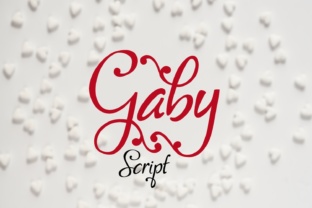
Gaby Font: Handwritten Elegance
Gaby is a Script Handwritten font that brings a playful and sophisticated touch to editorial design. Its embellished strokes and engaging curves make it ideal for creating visually striking content across blogs, magazines, and digital publications. As a Fonts choice, Gaby offers a unique personality that can elevate the tone and readability of any project.
For bloggers and content creators, Gaby excels in headline design and visual hierarchy. Whether you're crafting a blog header or designing a magazine cover, this font adds a personal and artistic flair that captures attention. Its handwritten style makes it perfect for creating a warm, approachable vibe in lifestyle content, recipe ebooks, or creative guides.
Gaby for Magazine Covers and Editorial Branding
Gaby is a powerful tool for magazine designers looking to establish a strong visual identity. When used on magazine covers, its elegant script adds a sense of refinement and creativity. This Script Handwritten font works well when paired with clean, modern typography to balance the overall layout and ensure readability without sacrificing style.
Editorial designers often rely on Gaby to create consistent branding across publications. By using it for section headings, pull quotes, or lead graphics, the font helps maintain a cohesive look while adding a touch of individuality. Its versatility allows it to fit into both high-end fashion magazines and casual lifestyle publications.
Gaby for Blog Headers and Article Layouts
Bloggers can use Gaby to craft eye-catching headers that stand out in a crowded digital space. Whether it's a post title, subheading, or featured graphic, this font adds a human touch that resonates with readers. Its flowing lines and decorative elements make it an excellent choice for storytelling, personal essays, or creative content.
In article layouts, Gaby can be strategically placed to guide the reader’s eye through the content. For example, using it for chapter openers or section titles can help break up dense text and add visual interest. Pairing it with a serif or sans serif font ensures that the overall design remains legible and professional.
Gaby for Quote Graphics and Social Media Content
Designers and content creators often turn to Gaby for quote graphics that need a personal, artistic feel. Whether it's a motivational message, a book excerpt, or a social media post, this font adds a sense of authenticity and charm. Its handwritten nature makes it ideal for creating visuals that feel more intimate and expressive.
When used in social media graphics, Gaby can enhance the visual appeal of posts, banners, and story templates. It works especially well for brands that want to convey a friendly, creative, or artisanal image. Its ability to stand out while remaining readable makes it a valuable addition to any design toolkit.
Gaby for Printable Guides and Lead Magnets
Printable guides, worksheets, and lead magnets benefit from Gaby’s elegant and inviting style. Using this font for titles, headings, or key points can make the content feel more engaging and personalized. Its soft curves and fluid motion give it a warm, approachable quality that encourages readers to interact with the material.
For printable planners, journals, or educational resources, Gaby can be used to highlight important sections or add a decorative element. It pairs well with other fonts to create a balanced and professional look, making it a great choice for digital product creators who want to maintain a high-quality aesthetic.
Gaby for Ebook Titles and Digital Publications
Ebook creators can use Gaby to design captivating titles and cover art that stand out in online marketplaces. Its handwritten style gives the publication a unique and memorable look, which is essential for attracting readers in a competitive digital space. Whether it's a cookbook, self-help guide, or creative writing resource, Gaby adds a personal touch that enhances the overall appeal.
Within the ebook itself, Gaby can be used for chapter openers, section titles, or decorative elements. Its visual appeal helps break up long blocks of text and keeps the reader engaged. When paired with a readable body font, it ensures that the design remains functional and easy to navigate.
Gaby for Newsletter Graphics and Email Design
Newsletter writers and email marketers can use Gaby to create visually appealing graphics that catch the reader’s eye. From subject lines to header images, this font adds a sense of creativity and professionalism. Its flowing style makes it ideal for crafting messages that feel more personal and thoughtful.
When designing email templates, Gaby can be used for call-to-action buttons, featured headlines, or decorative accents. It works well in combination with other fonts to maintain clarity and readability. Its adaptability makes it a versatile choice for newsletters that aim to build a strong connection with their audience.
Gaby for Creative Workbooks and Coaching Materials
Creative workbooks, coaching guides, and printable resources benefit from Gaby’s expressive and engaging style. Using it for headings, instructions, or key takeaways can make the content feel more dynamic and interactive. Its handwritten nature adds a personal and authentic touch that resonates with users.
For coaching materials, Gaby can be used to create a welcoming and encouraging atmosphere. Whether it's a daily journal, habit tracker, or mindset guide, this font helps set the tone and mood of the content. Its flexibility allows it to fit into various design styles while maintaining a cohesive look.
Gaby for Packaging Design and Brand Identity
Brands looking to create a unique identity can use Gaby in packaging design, labels, or promotional materials. Its handwritten style adds a sense of craftsmanship and individuality, making it ideal for boutique products, artisanal goods, or custom-branded items. The font’s elegance and charm make it a strong choice for businesses that want to stand out in a crowded market.
When integrated into brand assets, Gaby helps reinforce a consistent visual language. It can be used for logos, taglines, or product names to create a memorable and recognizable presence. Its versatility ensures that it can be adapted to different mediums while maintaining its distinctive character.